Introduction of Steel Scrap and Steel Rebar Futures Contracts by London Metals Exchange
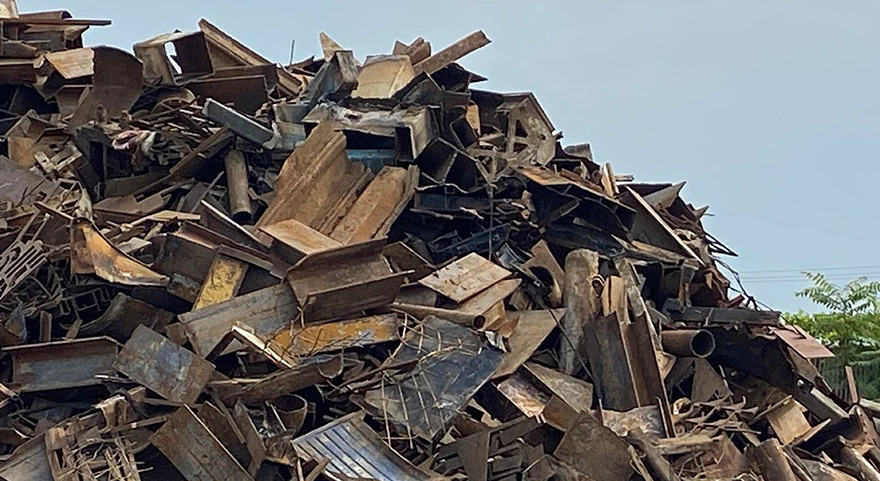
 The London Metals Exchange introduced steel scrap and steel rebar futures contracts on November 23, 2015. These contracts are settled against the Platts benchmark for spot physical premium steel scrap delivered to Turkey on a cost and freight (CFR) basis, called Platts HMS 1/2 80:20 CFR Turkey* benchmark, and the Platts spot physical steel rebar benchmark, known as Platts Steel Rebar free-on-board (FOB) Turkey.
Platts' scrap assessment represents the landed value of this important feedstock in Turkey's three key melting regions, providing a gauge of melters' most significant input cost. Platts' rebar assessment represents the export value of one of the key finished steel products.
"Over the ten years, a growing number of industry participants have used these steel futures contracts to help manage their risk. We saw record volumes in 2024 and with more firms integrating steel futures and risk management into their business models, we expect long-term volume and liquidity growth to continue," said Robin Martin, Head of Market Development, London Metals Exchange (LME).
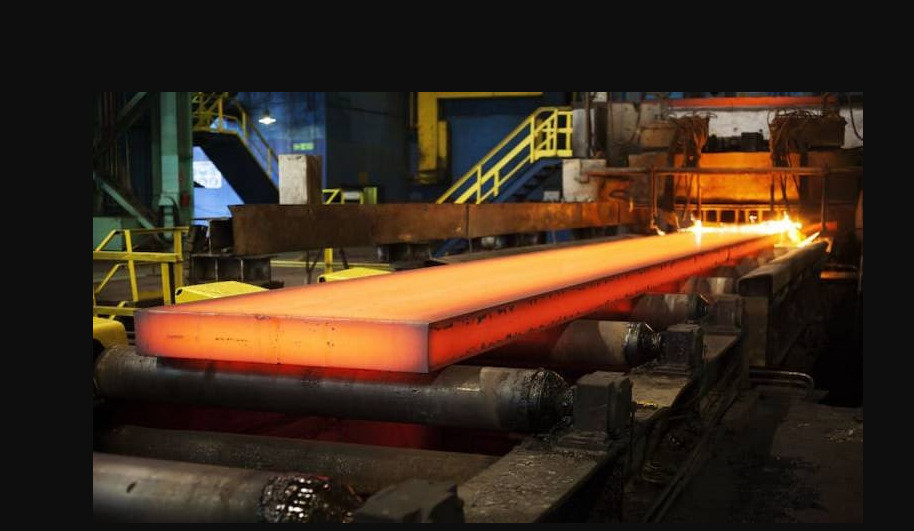
One of the big picture factors, among others, that may improve the economics of steel products made from scrap and could further increase market interest in the metal is the Carbon Border Adjustment Mechanism, which will tax imported steel products to Europe based on carbon intensity starting in 2026.
Use of Platts price assessments is voluntary, at the discretion of the user, and varied. In addition to exchanges worldwide that license Platts data for use in settling and clearing, buyers and sellers use Platts assessments as the basis for pricing spot transactions and term contracts; risk managers reference them to place a market value on the commodities they hold; analysts use them to identify trends and patterns in supply and demand; governments use them as references for royalty payments and retail pricing formulas; and more.