
UK Unwrought Nickel Consumption Falls 31.7% in 2024, With Recovery Forecast Through 2035
By Zamir Kahn, Journalist
updated:
The UK remains a net exporter of unwrought nickel, with production capacity of 36K tons and shipments of 35K tons, chiefly to Belgium, the Netherlands, and China. Export values totaled $774M. Norway leads imports by volume, while the United States records the highest import price, at $53,766 per ton. Following a 31.7% decline in consumption to 11K tons in 2024 and a drop in market value to $254M, a modest recovery is projected. By 2035, volume is expected to reach 12K tons, representing a CAGR of 1.0%, while value is forecast to rise at a CAGR of 1.3% to $293M.
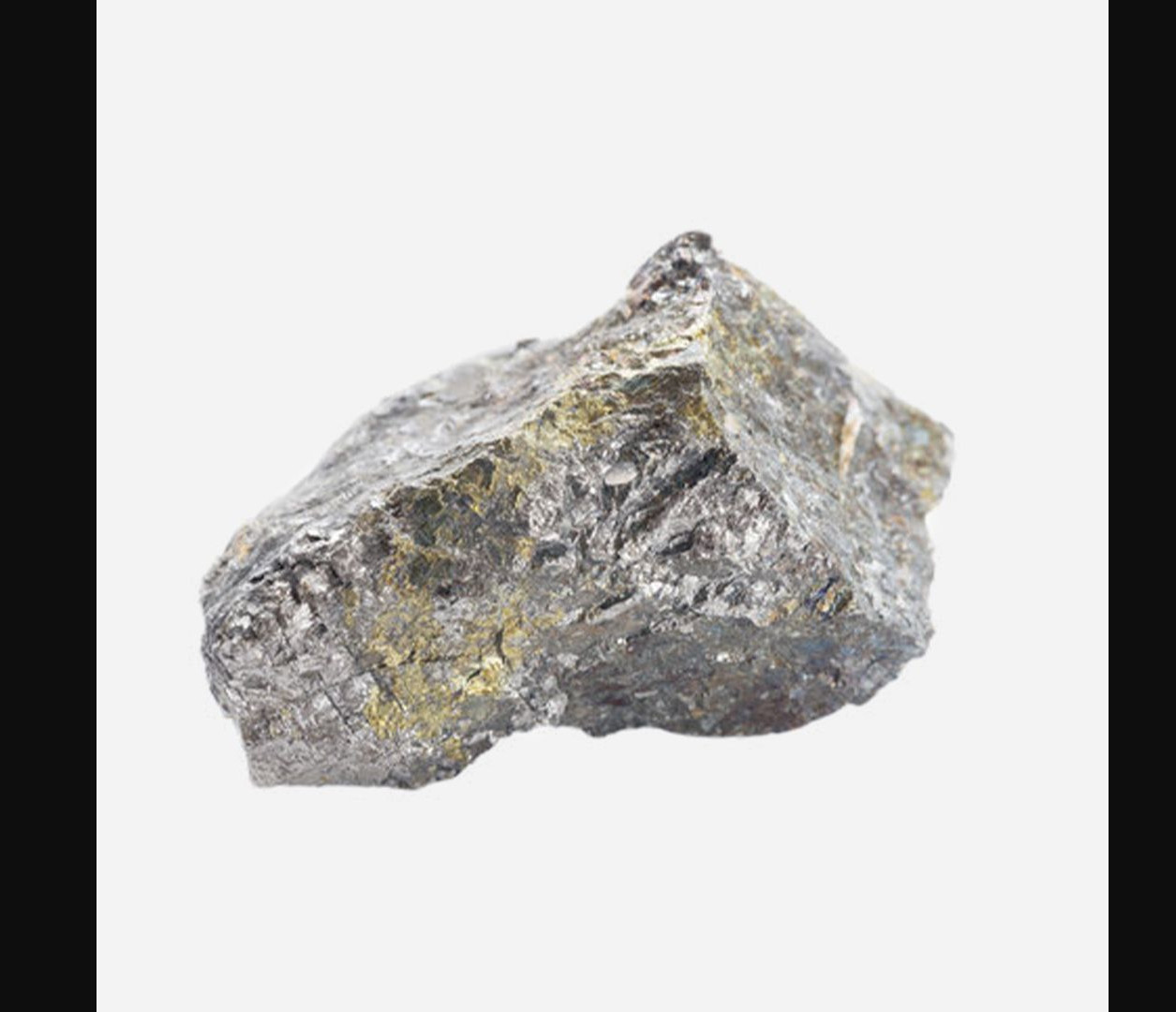
Driven by rising demand for nickel in the UK, the market is expected to start an upward consumption trend over the next decade. The performance of the market is forecast to increase slightly, with an anticipated CAGR of +1.0% for the period from 2024 to 2035, which is projected to bring the market volume to 12K tons by the end of 2035. In value terms, the market is forecast to increase with an anticipated CAGR of +1.3% for the period from 2024 to 2035, which is projected to bring the market value to $293M (in nominal wholesale prices) by the end of 2035. In 2024, consumption of unwrought nickel decreased by -31.7% to 11K tons, falling for the second year in a row after two years of growth. Overall, consumption showed a perceptible descent. Over the period under review, consumption attained the maximum volume at 28K tons in 2019; however, from 2020 to 2024, consumption stood at a somewhat lower figure.
UK Nickel Market Slumps in 2024
In 2024, the UK nickel market generated $254 million in revenue, a marked 31.9% decline from the previous year. This figure represents total producer and importer revenues, excluding logistics costs, retail marketing costs, and retailers’ margins, which are included in the final consumer price. Consumption fell noticeably over the period under review. Although the market peaked at $512 million in 2019, it failed to regain momentum from 2020 to 2024.
UK Nickel Output Holds Steady, Value Falls
In 2024, the UK produced an estimated 36K tons of unwrought nickel, nearly unchanged from the year before, although the longer-term trend was slightly downward. Output rose most sharply in 2016, increasing 16% from 2015 to reach a peak of 45K tons. Gains were relatively modest from 2017 to 2024.
At estimated export prices, the value of nickel production fell to $771M in 2024, despite changing little overall. The largest annual increase in production volume came in 2018, at 22%. Production value reached a record $888M in 2022, then remained below that level in 2023 and 2024.
Unwrought Nickel Imports Lose Momentum
- Imports of unwrought nickel indicated a mild decline over the period under review.
- The fastest volume growth came in 2017, with an increase of 28% against the previous year.
- Imports peaked at 16K tons in 2018.
- From 2013 to 2024, import value showed modest growth, averaging +1.1% annually over the last eleven-year period, with fluctuations.
- Value growth was fastest in 2017, when imports increased by 58%.
- Imports hit record highs at $317M in 2022, then remained at a lower figure from 2023 to 2024.
- Purchases abroad of unwrought nickel decreased by -7.8% to 10K tons in 2024, falling for the second consecutive year after two years of growth.
- Nickel imports reduced to $258M in 2024, down by -18.7% against 2022 indices.
- From 2019 to 2024, imports failed to regain momentum.
In 2024, Norway (3.7K tons) constituted the largest supplier of nickel to the UK, with a 36% share of total imports. Moreover, nickel imports from Norway exceeded the figures recorded by the second-largest supplier, the United States (1.2K tons), threefold. Australia (1K tons) ranked third in terms of total imports with a 10% share.
From 2013 to 2024, the average annual growth rate of volume from Norway totaled +5.5%. The remaining supplying countries recorded the following average annual rates of imports growth: the United States (+2.0% per year) and Australia (-4.0% per year).
In value terms, Norway ($64M), the United States ($63M) and Australia ($38M) constituted the largest nickel suppliers to the UK, together accounting for 64% of total imports. Italy, Finland, Belgium, Canada, South Africa, Indonesia, Japan, France, Germany and the Netherlands lagged somewhat behind, together comprising a further 32%.
Among the main suppliers, Canada, with a CAGR of +92.8%, recorded the highest growth rate of the value of imports, over the period under review, while purchases for the other leaders experienced more modest paces of growth.
In 2024, the average nickel import price amounted to $25,580 per ton, reducing by -7.1% against the previous year. In general, the import price, however, showed a temperate increase. The pace of growth was the most pronounced in 2022 an increase of 46%. Over the period under review, average import prices hit record highs at $27,546 per ton in 2023, and then contracted in the following year.
There were significant differences in the average prices amongst the major supplying countries. In 2024, amid the top importers, the country with the highest price was the United States ($53,766 per ton), while the price for Japan ($15,776 per ton) was amongst the lowest.
From 2013 to 2024, the most notable rate of growth in terms of prices was attained by Indonesia (+19.1%), while the prices for the other major suppliers experienced more modest paces of growth.
In 2024, shipments abroad of unwrought nickel increased by 14% to 35K tons, rising for the second consecutive year after two years of decline. Over the period under review, exports, however, recorded a slight setback. The pace of growth appeared the most rapid in 2020 with an increase of 41% against the previous year. The exports peaked at 39K tons in 2013; however, from 2014 to 2024, the exports remained at a lower figure.
In value terms, nickel exports dropped modestly to $774M in 2024. In general, total exports indicated a mild expansion from 2013 to 2024: its value increased at an average annual rate of +1.3% over the last eleven-year period. The trend pattern, however, indicated some noticeable fluctuations being recorded throughout the analyzed period. Based on 2024 figures, exports increased by +84.9% against 2019 indices. The most prominent rate of growth was recorded in 2020 when exports increased by 37%. The exports peaked at $791M in 2023, and then reduced slightly in the following year.
Belgium (6.2K tons), the Netherlands (4.3K tons) and China (4K tons) were the main destinations of nickel exports from the UK, together comprising 42% of total exports.
From 2013 to 2024, the biggest increases were recorded for Belgium (with a CAGR of +16.4%), while shipments for the other leaders experienced more modest paces of growth.
In value terms, Belgium ($113M), China ($90M) and Japan ($71M) appeared to be the largest markets for nickel exported from the UK worldwide, with a combined 35% share of total exports.
In terms of the main countries of destination, Belgium, with a CAGR of +18.1%, recorded the highest rates of growth with regard to the value of exports, over the period under review, while shipments for the other leaders experienced more modest paces of growth.
In 2024, the average nickel export price amounted to $22,419 per ton, waning by -14.3% against the previous year. Overall, the export price, however, posted a notable expansion. The growth pace was the most rapid in 2021 an increase of 32%. Over the period under review, the average export prices hit record highs at $27,115 per ton in 2022; however, from 2023 to 2024, the export prices stood at a somewhat lower figure.
Prices varied noticeably by country of destination: amid the top suppliers, the country with the highest price was France ($34,407 per ton), while the average price for exports to the Netherlands ($16,603 per ton) was amongst the lowest.
From 2013 to 2024, the most notable rate of growth in terms of prices was recorded for supplies to Italy (+6.4%), while the prices for the other major destinations experienced more modest paces of growth.