
Global Non-Ferrous Scrap Metal Market Poised for Growth, Expected to Hit $142 Billion by 2035
By Ian Williams, manager
updated:
The market for non-metallic scrap metals, which includes precious materials like copper, aluminum, nickel, and zinc, is expected to grow from USD 112,357.79 million in 2026 to USD 142,396.84 million by 2035, attaining a compound annual growth rate (CAGR) of 2.7% during the projected period from 2026 to 2035. In 2023 alone, the worldwide trade of non-metallic scrap metals surpassed 175 million metric tons, with the Asia-Pacific region accounting for over 95 million metric tons. These metals, which comprise approximately 17% of the total scrap processed annually, underscore their crucial role in the recycling industry, despite being smaller in volume compared to ferrous scrap.
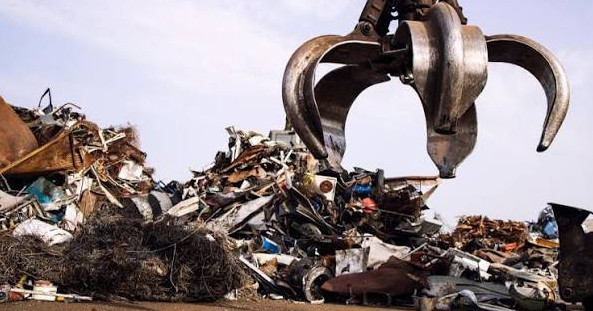
Global Surge in Scrap Metal Recycling in 2023
In 2023, the recycling of copper scrap, propelled by steady demand from the electrical and electronic sectors, contributed over 42 million metric tons. Following closely, aluminum scrap recycling amassed more than 38 million metric tons, serving industries such as automotive, construction, and aerospace due to its corrosion resistance, lightweight nature, and the ability to be recycled without losing physical properties. As metal extraction is known to produce over 65% more carbon emissions compared to recycling, global governments have intensified regulations that encourage the use of recycled materials. Notably, developed countries including the U.S., Germany, and Japan, exported a combined total of 30 million metric tons of scrap to developing countries for reprocessing this year. The surge in production of electric vehicles, solar panels, and energy storage systems has substantially escalated the demand for high-grade recycled metals, which continues to reshape market dynamics and foster regional integration globally.
Surge in Recycled Metals for Sustainability and EVs
- Increasing demand for recycled copper and aluminum in sustainable construction and electric vehicle manufacturing
- China leads in both consumption and import of non-ferrous scrap, exceeding 55 million metric tons annually
- Copper scrap remains the dominant material, contributing more than 24% of total non-ferrous scrap processed worldwide
In 2023, sustainability efforts led to a significant shift in manufacturing processes across various industries. Over 60% of the copper used in the European Union, totaling more than 8 million metric tons, was sourced from recycled scrap. This trend is driven by stringent global regulations aimed at decarbonization, as industries choose scrap-sourced metals, which require up to 95% less energy than primary smelting methods. For example, aluminum recycling achieved a reduction in energy consumption of up to 95%, with approximately 28 million metric tons repurposed as secondary aluminum last year.
EV Production Boosts Non-Ferrous Metal Recycling
The increase in electric vehicle (EV) production, which reached 14 million units in 2023, has also altered the market dynamics for non-ferrous metals. Each electric car incorporates over 80 kilograms of aluminum and more than 50 kilograms of copper, cumulatively increasing the demand for over 1.1 million metric tons of copper scrap. Additionally, the renewable energy sector, which added over 280 gigawatts of new solar capacity globally in the same year, has further propelled the recycling of metals like aluminum and silver-alloyed copper used in solar panel components. These developments are redefining how industries view and utilize non-ferrous scrap metals in a bid to align with environmental objectives and economic efficiency.
2023: Urban Mining and Technological Breakthroughs in E-Waste Recovery
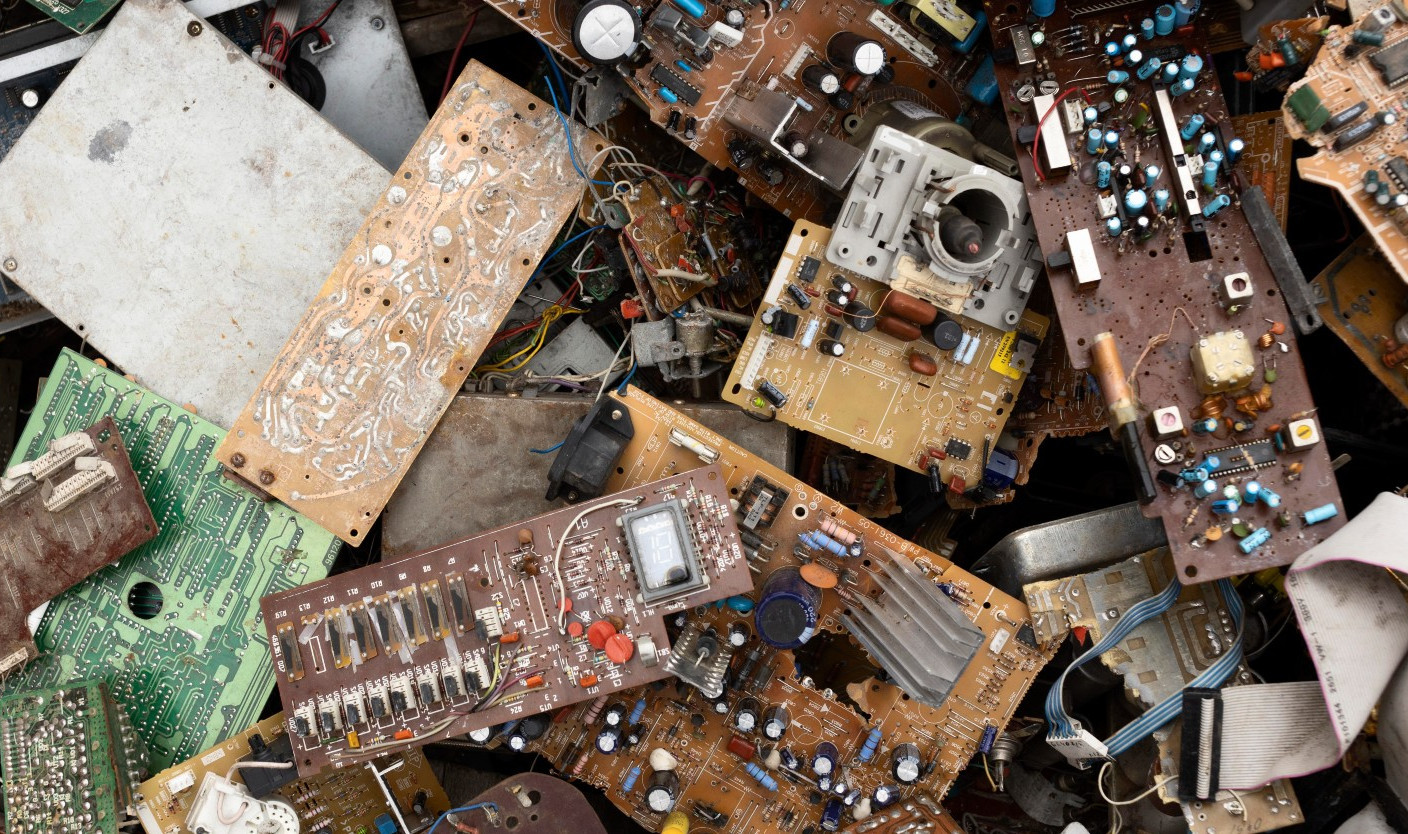
In 2023, urban mining witnessed a significant increase as scrap recovery from e-waste exceeded 5 million metric tons globally. Countries such as Japan and South Korea each reclaimed over 500,000 metric tons from outdated electronics, extracting precious metals including indium, gallium, and nickel. Technological advancements in shredding and separation have enhanced the purity of recycled materials, thereby boosting their marketability. This year also saw the integration of blockchain technology into scrap tracking systems, driven by the demand for traceable, ethically sourced materials. More than 600 recycling firms adopted digital platforms to ensure the verification of sourcing and handling practices, aligning with the broader adoption of Environmental, Social, and Governance (ESG) standards in the procurement strategies of multinational corporations. These multinationals now annually utilize over 10 million metric tons of scrap metal, adhering to strict green certification protocols.
Electrification Boosts Non-Ferrous Scrap Metal Market
The rapid shift toward electrification and sustainable infrastructure serves as the main catalyst propelling the non-ferrous scrap metal market. In 2023, the global automotive industry recycled significant quantities of non-ferrous metals, including over 4.8 million metric tons of aluminum and 2.1 million metric tons of copper. Mandates set by governments in the European Union and North America have specified that auto manufacturers must incorporate at least 25% recycled content in their vehicles, thereby boosting the dependency on secondary raw materials. Additionally, the construction of wind turbines, which utilized more than 500 kilograms of aluminum and 1.2 metric tons of copper per megawatt, contributed to a global addition of 110 gigawatts in the same year. These developments have continuously increased the demand for non-ferrous scrap metals, especially for highly conductive copper and corrosion-resistant aluminum alloys.
Navigating 2023's Turbulent Scrap Trade Regulations
A major barrier affecting the market is the volatile nature of global trade regulations, particularly evident in 2023 when more than 18 countries, including China, India, and Indonesia, enforced new quality controls or tariffs on imported non-ferrous scrap. China alone rejected away over 240,000 metric tons of such imports due to contamination issues or inadequate sorting. This disruption has increased holding costs and caused inventory accumulation in North America and Europe, where exports of over 6 million metric tons of processed scrap were postponed. Furthermore, discrepancies in scrap classification codes across different regions have added complexity to trade flows and documentation processes, thereby reducing the efficiency of transactions.
Automated Sorting Revolutionizes Global Recycling Efficiency
In 2023, the global deployment of more than 2,500 cutting-edge automated sorting units markedly boosted the efficiency of recycling operations, enabling the processing of over 30 metric tons of recyclable materials per hour with up to 99.5% purity. These sophisticated units use artificial intelligence to precisely classify scrap by its alloy content, streamlining further processing. Facilities that incorporate these sensor-based sorting technologies and robotic handling systems have experienced a substantial 20% increase in throughput and a 17% reduction in labor costs. Concurrently, with the global recycling capacity expanded by over 18 million metric tons, there has been a surge in investment in modular plants equipped with AI and thermal identification systems, aimed at meeting the growing demand for meticulously separated non-ferrous materials.
Boosting Recycling with AI and Robotics
In 2023, the adoption of advanced recycling technologies substantially expanded the market. Globally, over 2,500 automated sorting units, capable of processing upwards of 30 metric tons per hour with a purity rate of up to 99.5%, were deployed. These units leverage artificial intelligence to precisely classify scrap by its alloy composition, facilitating precise downstream processing. Facilities that have integrated sensor-based sorting and robotic handling have seen a 20% increase in throughput coupled with a 17% decrease in labor costs. As global recycling capacity surged by over 18 million metric tons, investors are channeling funds into modular plants that incorporate AI and thermal identification systems to cater to the rising demand for clean, segregated non-ferrous inputs.
However, the non-ferrous scrap metal market continues to struggle with challenges such as logistics and overhead costs. In 2023, international scrap shipping costs skyrocketed by 24%, driven by container shortages and fluctuations in fuel prices. European exporters were particularly affected, incurring surcharges exceeding $80 per metric ton for shipping copper and aluminum scrap to Southeast Asia. Moreover, the high costs associated with labor, maintenance, and environmental compliance have led to the closure of 12 major scrapyards in the U.S. and 7 in Germany. Additionally, scrap theft has become a significant issue, with losses surpassing 1.5 million metric tons globally, especially in urban construction zones where recovery efforts and surveillance are limited.